Reroofing and Roof Replacement in Gloucester, VA
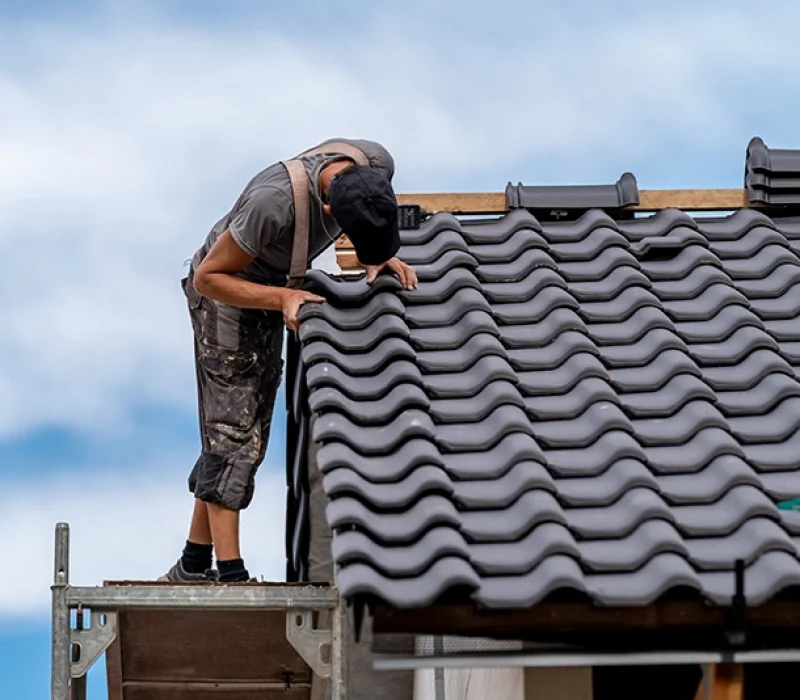
Reroofing is a larger decision than repairing one damaged area. It becomes relevant when the existing roof has broad wear, recurring problems, or a condition that makes continued spot repairs less practical. A project for reroofing in Gloucester, VA should begin by understanding what is already on the building and what may be revealed when the old covering is removed.
That makes replacement different from roof repair. Repair is usually focused on a defined issue. Reroofing looks at the covering as a whole and may involve tear-off, deck review, flashing changes, underlayment, new material, and updated details at edges and penetrations.
Replacement may be worth discussing when you see:
- Wear or damage across several roof areas rather than one isolated spot
- Repeated leaks that return in different locations
- Large sections of shingles or other covering that no longer appear serviceable
- Multiple old patches that make future repairs harder to evaluate
- A planned material change as part of a broader property improvement
None of these signs alone automatically decides the project. The extent and cause of the problem matter. A replacement conversation should explain why the roof is being treated as a whole instead of simply assuming that an older roof needs to come off.
Replacement Starts With the Roof You Already Have
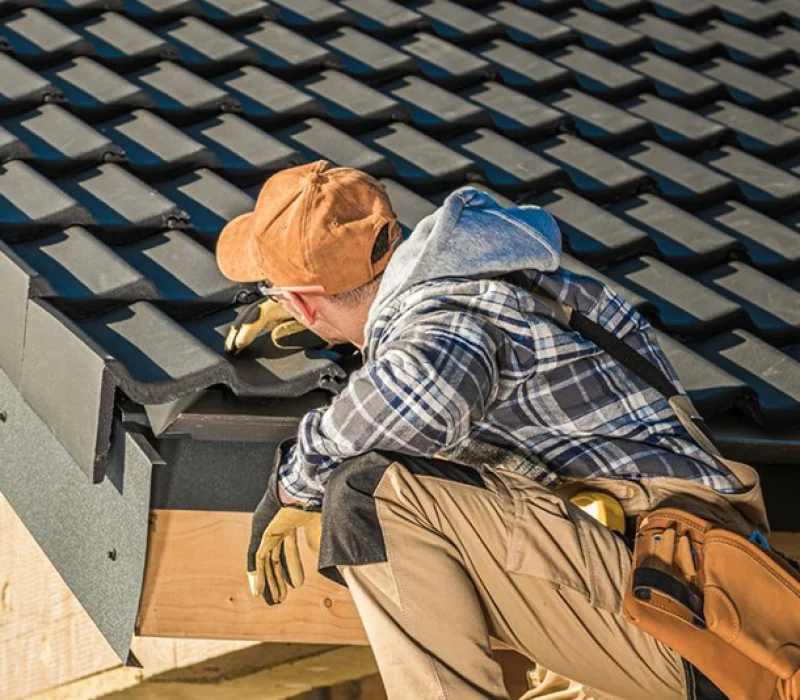
The condition beneath the existing covering is one of the most important unknowns in a reroofing project. Some deck issues are not fully visible until old material is removed. That is why a clear replacement scope should explain how concealed conditions will be handled if they are discovered during tear-off.
Material selection comes next. Homeowners staying with a familiar residential covering can review asphalt shingle options. A property owner considering a different roof profile can compare metal roofing. The decision should account for roof shape, existing conditions, appearance goals, and the details required by the chosen system.
A reroofing scope should make these points clear:
- What existing material is expected to be removed
- How deck condition will be handled after tear-off
- Which flashing and transition details are included
- What new underlayment and roof covering are proposed
- How penetrations, valleys, ridges, and edges will be finished
This information gives homeowners something concrete to compare. It also reduces confusion when two proposals use the same material name but include different amounts of preparation and detail work.
Know What Changes After the Existing Covering Comes Off
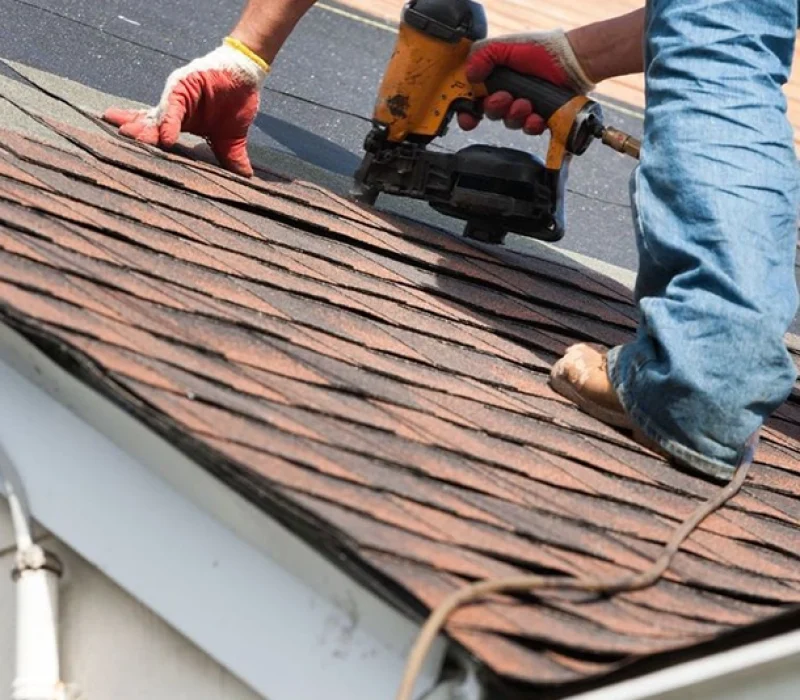
Some homeowners ask about installing new material over an existing roof. That approach is not a blanket answer for every property. Existing layers, roof condition, local requirements, manufacturer instructions, and the need to inspect the deck can all affect whether an overlay is appropriate. A project should not assume that avoiding tear-off is automatically the better choice.
Preparation can make replacement easier on the household. Move fragile items away from walls and shelves if vibration is a concern, keep vehicles clear of work areas, and discuss access around the property before work begins. These are practical project-planning steps rather than roofing specifications, but they can make the day-to-day process easier.
If your concern is limited to a small leak or one damaged section, start with roof repair. If you are still trying to understand which roofing path fits the property, the broader roofing services page can help frame the decision.
- Existing Roof Review: Understand why replacement is being considered before selecting new material.
- Tear-Off Planning: Account for deck condition and other details that may only become visible after removal.
- Clear Replacement Scope: Define material, flashing, underlayment, edges, valleys, and penetrations in the proposal.
Use the form below to describe the project in your own words. A short, specific description is more useful than choosing a service label if you are not sure which roofing option applies.
What Matters on This Reroofing Project
01
Existing Roof Review
Understand why replacement is being considered before selecting new material.
02
Tear-Off Planning
Account for deck condition and other details that may only become visible after removal.
03
Clear Replacement Scope
Define material, flashing, underlayment, edges, valleys, and penetrations in the proposal.
Roof repair focuses on a defined problem or localized area. Reroofing treats the roof covering more broadly and can involve removal, deck evaluation, underlayment, flashing, and installation of a new roof covering.
No. Age can be part of the discussion, but condition is more important than a number by itself. Some older roofs may still have serviceable areas, while newer roofs can develop specific problems that need attention.
Concealed deck conditions may only become visible after the old roof covering is removed. The replacement scope should explain how those findings will be communicated and handled before new material is installed.
In some situations an overlay may be discussed, but it is not automatically appropriate. Existing layers, roof condition, local requirements, manufacturer instructions, and the need to inspect the deck can affect the decision.
A material change may be possible depending on the structure and project details. The plan should account for the selected system, roof geometry, substrate condition, flashing, trim, and other installation requirements.
Discuss access, parking, outdoor items, pets, and areas around the building before work starts. Inside, you may want to move fragile items away from walls or shelves if vibration could be a concern.
Discuss a Roof Replacement
Describe the current roof covering, the problems you have noticed, and whether you are considering the same material or a different roofing system for the replacement.
- (757) 778-4494
- jacobaclark1998@gmail.com
- Mon-Sun, 7 a.m.-5 p.m.
Your preferred day is a request only. An appointment is confirmed after direct contact.