
Asphalt Shingle Roofing in Gloucester, VA
Asphalt shingles are common on residential roofs because they offer familiar installation methods, many appearance options, and a practical path for both new roofs and replacements. The important part is not simply choosing a color. A project involving asphalt shingle roofing in Gloucester, VA should also account for the condition of the existing roof, flashing details, valleys, roof edges, ventilation, and the surface that will support the new shingles.
Shingle problems can appear in different ways. Missing tabs, lifted edges, cracking, exposed areas, or repeated leak locations may point toward targeted roof repair. A roof showing broad wear across multiple slopes may require a different conversation. Keeping those situations separate helps avoid turning a repair question into a replacement recommendation before the roof is properly considered.
Common shingle concerns homeowners notice include:
- Missing or displaced shingles after wind
- Edges that appear lifted, curled, or no longer flat
- Granule loss collecting near downspouts or roof edges
- Dark interior marks that appear after rain
- Older patched areas that continue to need attention
One damaged shingle does not automatically mean the entire roof needs to be replaced. On the other hand, repeated failures in different areas can be a sign that the covering should be reviewed more broadly. For that situation, the reroofing page explains replacement-focused considerations.
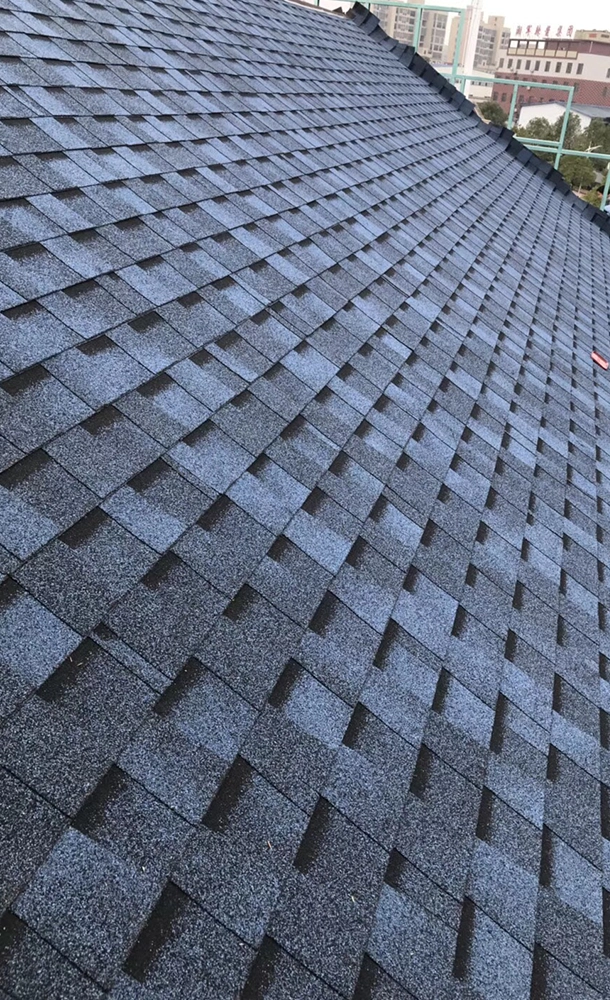
Shingle Condition Tells You More Than Color Alone
Asphalt shingles perform as part of a layered roof assembly. The visible shingle sheds water, but underlayment, flashing, drip edges, valleys, penetrations, and deck condition all influence how well the roof handles weather. If a leak is caused by flashing or a transition, replacing nearby shingles without addressing that detail may not solve the actual problem.
For a planned replacement, it is useful to compare shingle profile, color, roof geometry, and the amount of cutting and detailing required around dormers, chimneys, vents, or intersecting roof lines. Homeowners who are still comparing materials can also review metal roofing before settling on a final covering.
Details to discuss before choosing shingles:
- Condition of the roof deck after old material is removed
- Valley and flashing details around roof transitions
- Vent and pipe penetration locations
- Shingle style and appearance on the specific roof shape
- How edges, starter areas, and ridge locations will be finished
A clear scope should explain what is being replaced, what may need to be evaluated after tear-off, and which details are part of the finished roofing system. That gives the homeowner a better basis for comparing proposals than product names alone.
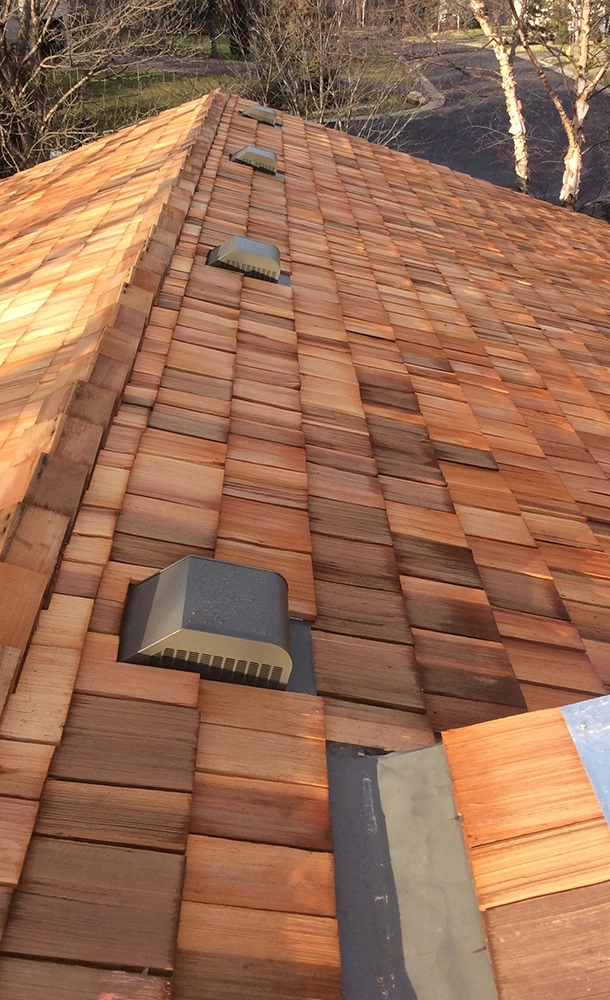
Plan the Layers Beneath the Asphalt Shingles
Small maintenance habits can also help homeowners spot shingle problems earlier. From the ground, look for obvious displaced material, debris collecting in valleys, or branches rubbing against the roof. After severe weather, check ceilings and attic-accessible areas for new staining if it can be done safely. Do not walk on a steep, wet, or visibly damaged roof to inspect it.
If the roof is being installed on a new structure, planning starts differently because there may be no existing covering to remove. The new roof installation service focuses on that situation. If the main concern is a broad residential roofing need and you are not yet sure which material or service applies, the general roofing page is the better starting point.
Asphalt shingles can be a straightforward choice, but good results still depend on details that are easy to overlook from the ground. Treating the roof as a system gives the material a better chance to perform as intended.
- Shingle-Specific Review: Separate isolated shingle damage from broader roof wear.
- Layered Protection: Account for underlayment, flashing, valleys, edges, and deck condition.
- Material Comparison: Choose shingle style and appearance after the project scope is understood.
Use the form below to describe the project in your own words. A short, specific description is more useful than choosing a service label if you are not sure which roofing option applies.
What Matters on This Asphalt Shingles Project
01
Shingle-Specific Review
Separate isolated shingle damage from broader roof wear.
02
Layered Protection
Account for underlayment, flashing, valleys, edges, and deck condition.
03
Material Comparison
Choose shingle style and appearance after the project scope is understood.
Missing shingles, lifted edges, cracking, exposed areas, repeated leak spots, and noticeable granule loss can all justify a closer look. The importance of each sign depends on how widespread it is and what is happening around it.
In some cases, yes. Localized damage may be repairable when the surrounding roof remains serviceable and the leak source is understood. A broader problem across multiple slopes may call for a replacement discussion instead.
A shingle roof typically relies on several components beneath and around the visible covering, including the roof deck, underlayment, flashing, edge details, valleys, and penetrations. These parts work together to manage water.
You can collect style ideas early, but it is usually better to understand the project scope first. Roof condition, tear-off needs, deck repairs, flashing details, and roof geometry can affect the final plan.
They differ in material, installation method, appearance, detailing, maintenance considerations, and cost structure. A comparison should focus on the building and your goals rather than treating one material as automatically right for every property.
Yes, asphalt shingles are commonly considered for new roof installations. New construction planning differs from replacement work because there is no existing roof covering to evaluate or remove.
Ask About Your Shingle Roof
Tell us what you are seeing on the roof or what you are planning to change. Photos taken safely from the ground can help provide context for the request.
- (757) 778-4494
- jacobaclark1998@gmail.com
- Mon-Sun, 7 a.m.-5 p.m.
Your preferred day is a request only. An appointment is confirmed after direct contact.