Metal Roofing in Gloucester, VA
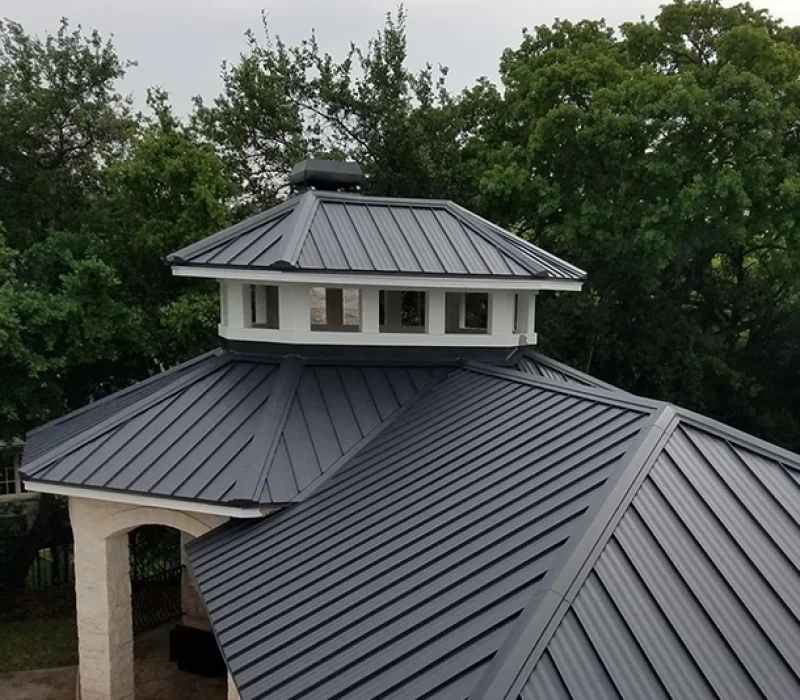
Metal roofing is often considered for its clean lines and durable material, but the panel itself is only one part of the decision. A project involving metal roofing in Gloucester, VA also depends on roof slope, panel layout, transitions, penetrations, trim details, substrate condition, and how water is directed at eaves and valleys. Those details can change both the appearance and the complexity of the installation.
Some property owners begin by comparing metal with asphalt shingles. Others are replacing an existing roof and already know they want a metal system. In either case, it helps to separate material preference from installation planning so the final choice fits the building instead of being based on a photo alone.
Metal roofing decisions often involve:
- Panel profile and seam style
- Roof slope and the direction panels will run
- Valleys, hips, ridges, chimneys, and wall transitions
- Fastener and trim approach appropriate to the selected system
- Existing roof and deck conditions that may affect installation
If the project involves replacing an older roof covering, the scope should also address removal and the condition underneath. The reroofing service is useful when the main question is replacement rather than material selection.
Choose a Metal Roof by System, Not Appearance Alone
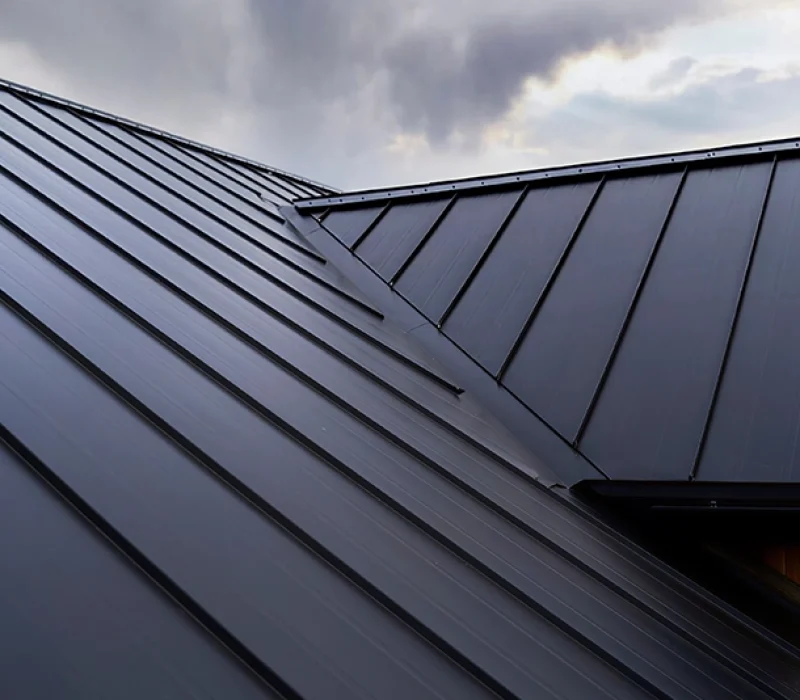
Standing seam and other metal systems use long pieces of material, which makes layout important. Roof planes that appear simple from the ground may include dormers, short transitions, valleys, sidewalls, vents, or other interruptions that require careful detailing. More intersections generally mean more trim and flashing decisions.
Color and finish matter too, especially because metal can become a strong visual part of the building. A good selection should consider the home exterior, roof visibility, panel width, and the overall character of the structure. Those choices are separate from the technical work needed to keep water moving off the roof.
Before settling on a metal roof, consider:
- How visible the roof will be from the street or yard
- Where snow, leaves, and rainwater naturally move across each roof plane
- How vents and other penetrations will be integrated
- Whether the deck needs repair before the new system goes on
- Which edges and transitions will require custom trim or flashing
This planning helps prevent a common mistake: choosing a panel based only on color or profile and discovering later that the roof geometry requires more involved detailing than expected.
Roof Geometry Changes How Metal Details Are Planned
Metal roofing can be used for replacement work or for a new structure. On new construction, the roofing plan can be coordinated earlier with the roof framing and penetrations. If that is your situation, the new roof installation page explains a planning-first approach. Existing roofs require more attention to the condition already in place.
Homeowners should also avoid assuming that every noise, condensation, or temperature concern has one simple answer. Interior conditions can be influenced by insulation, ventilation, air sealing, roof assembly design, and the building itself. Those topics should be evaluated in context rather than promised as automatic results of changing the roof covering.
For a property owner still deciding between repair, replacement, and a material change, the roofing contractor page provides a broader overview. A focused metal-roof discussion becomes more useful once the project type is clear.
- System Selection: Match the panel system to the roof shape and project goals.
- Detail Planning: Give valleys, transitions, penetrations, edges, and trim proper attention.
- Existing Conditions: Review what is beneath the current roof before finalizing replacement work.
Use the form below to describe the project in your own words. A short, specific description is more useful than choosing a service label if you are not sure which roofing option applies.
What Matters on This Metal Roofs Project
01
System Selection
Match the panel system to the roof shape and project goals.
02
Detail Planning
Give valleys, transitions, penetrations, edges, and trim proper attention.
03
Existing Conditions
Review what is beneath the current roof before finalizing replacement work.
Compare panel type, seam style, finish, roof geometry, trim requirements, penetrations, existing roof condition, and the overall project scope. Color is important, but it should not be the only decision factor.
No. Standing seam is one recognizable metal roofing style, but other panel profiles and systems exist. The right option depends on the structure, roof slope, appearance goals, and installation requirements.
A metal roof may be considered when replacing an asphalt roof, but the project should first address removal strategy, deck condition, roof geometry, flashing, and the specific metal system being proposed.
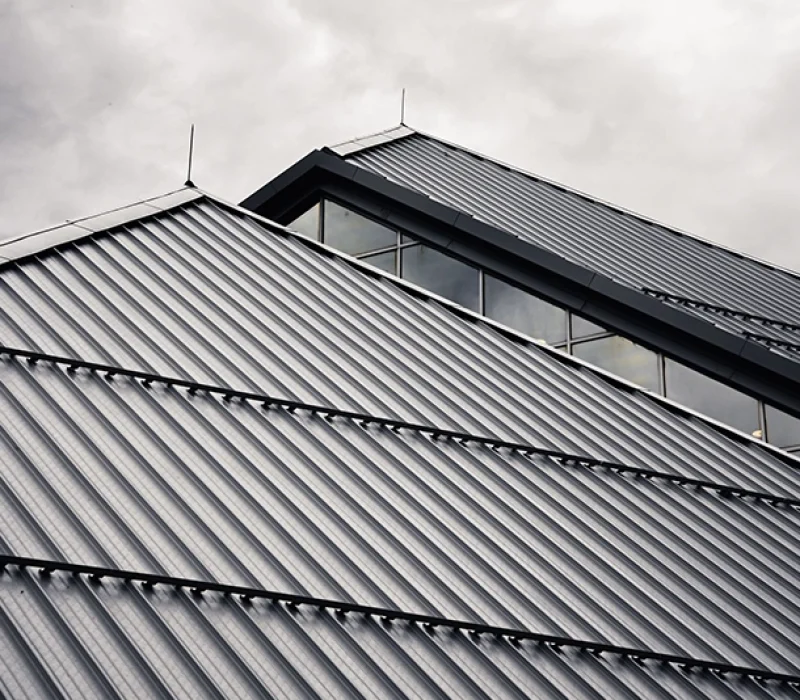
Metal roofing can be used on many roof designs, but complex valleys, short roof planes, dormers, penetrations, and transitions can increase the detailing required. Roof geometry should be part of the planning discussion.
Trim, flashing, valleys, penetrations, eaves, ridges, sidewalls, and the condition of the supporting surface are easy to overlook because they are less visually prominent than the field panels.
That depends on the condition of the current roof and the size of the problem. A localized issue may not justify a full replacement, while broad deterioration can make a material change worth discussing as part of reroofing.
Plan a Metal Roofing Conversation
Share whether the project is a replacement, a new roof, or a material comparison. Mention any roof features such as valleys, dormers, chimneys, or multiple roof sections that may affect the plan.
- (757) 778-4494
- jacobaclark1998@gmail.com
- Mon-Sun, 7 a.m.-5 p.m.
Your preferred day is a request only. An appointment is confirmed after direct contact.