
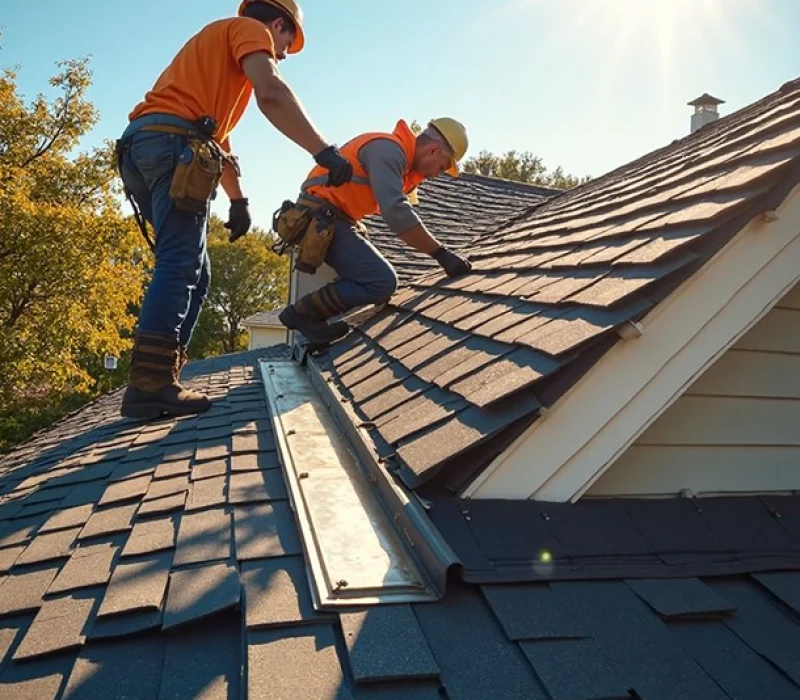
New Roof Installation in Gloucester, VA
A new roof installation starts with fewer unknowns than a replacement, but it also creates an opportunity to make important decisions early. Before the roof covering goes on, the project should account for roof geometry, material selection, penetrations, valleys, edges, ventilation details, and the way water will leave each roof plane. That is why new roof installation in Gloucester, VA should be planned as part of the building process rather than treated as a last-minute finish item.
New construction can use different roofing materials depending on the structure and design goals. Homeowners considering a familiar residential covering can review asphalt shingle roofing. Projects that call for a different profile or panel appearance may be better suited to a discussion about metal roofing.
Early roof planning should identify:
- Roof slopes, hips, ridges, and valleys
- Chimneys, vents, pipes, skylight openings, and wall transitions
- Selected roofing material and its installation requirements
- Edge details and how water will move toward gutters or discharge points
- Construction timing so roofing work fits the overall project sequence
Making those decisions before installation reduces last-minute changes and helps the roofing scope line up with the structure that has actually been built.
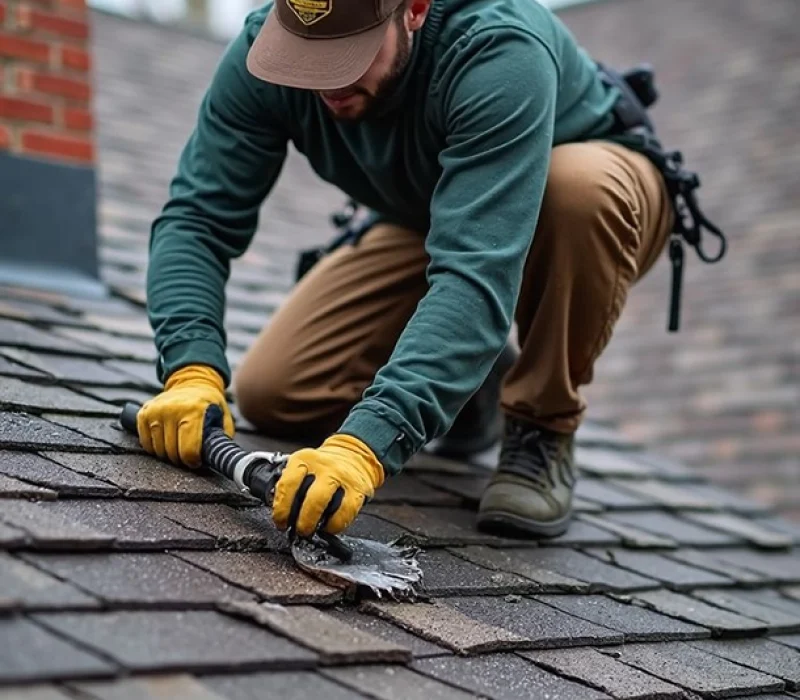
Plan the Roof Before the Structure Is Ready for Covering
Penetrations and intersections deserve special attention on new roofs because they can often be coordinated before the covering is installed. A vent or pipe moved early in construction may simplify the roofing detail. The same change becomes more disruptive after finished roofing material is already in place.
Roof geometry also affects material layout. Long uninterrupted planes are different from roofs with multiple dormers, short valleys, intersecting additions, or walls rising above lower roof sections. The project should identify these areas so flashing and material transitions are part of the plan rather than field improvisations.
Useful coordination questions include:
- Are all roof penetrations in their final locations?
- Has the roof deck been completed and checked before covering begins?
- Are material selections confirmed before ordering and installation?
- Do valleys and wall intersections have clear drainage paths?
- Is the roofing sequence coordinated with other exterior trades?
A new roof does not have the tear-off questions of a replacement, but it still requires disciplined sequencing. Roofing installed too early can be exposed to unnecessary construction traffic, while roofing installed too late can hold up other exterior work.

Coordinate Materials, Penetrations, and Water Paths Early
New roof installation is different from reroofing an existing property. A replacement project has to account for what is already there, including old materials, hidden deck conditions, and existing flashing. New construction focuses more heavily on coordination, specification, and getting details right before they are covered.
Before contacting a roofer, it helps to know whether the structure is framed, whether the roof deck is complete, what material is being considered, and whether drawings or plans are available. Those details make the first conversation more productive and help define the scope.
If the building is already occupied and the roof concern is a leak or isolated damage, the roof repair page is a better match. Keeping new installation separate from repair and replacement avoids confusion about what the project actually requires.
- Plan Early: Coordinate roof geometry, penetrations, and material choices before installation.
- Sequence the Work: Fit roofing into the construction schedule without creating avoidable conflicts.
- Finish the Details: Address valleys, edges, transitions, and drainage paths as part of the original plan.
Use the form below to describe the project in your own words. A short, specific description is more useful than choosing a service label if you are not sure which roofing option applies.
What Matters on This New Roofs Project
01
Plan Early
Coordinate roof geometry, penetrations, and material choices before installation.
02
Sequence the Work
Fit roofing into the construction schedule without creating avoidable conflicts.
03
Finish the Details
Address valleys, edges, transitions, and drainage paths as part of the original plan.
Roofing decisions should begin before the building is ready for final covering. Material choice, roof geometry, penetrations, valleys, transitions, and scheduling are easier to coordinate when they are addressed early.
Project location, plans or drawings if available, roof material preference, construction stage, roof deck status, and known penetrations or special roof features can all help define the scope.
Both may be considered depending on the structure and project goals. Each material has different installation details, appearance, and planning needs, so the building design should guide the choice.
Vents, pipes, chimneys, and similar openings interrupt the roof surface and require careful detailing. Coordinating their locations before roofing begins can simplify installation and reduce unnecessary rework.
No. New roof installation starts on a new structure or addition, while reroofing deals with an existing roof that may require removal, evaluation, and replacement of old materials.
The roof deck, geometry, material specification, penetrations, edge conditions, valleys, and relevant transitions should be confirmed so the roofing system can be installed to the actual structure.
Share Your New Roof Project
Tell us what is being built, the stage of construction, and the roofing material you are considering. If plans are available, mention that in the project details so the scope can be discussed clearly.
- (757) 778-4494
- jacobaclark1998@gmail.com
- Mon-Sun, 7 a.m.-5 p.m.
Your preferred day is a request only. An appointment is confirmed after direct contact.